
Pet Diagnostics & Imaging

Clearer Answers When Your Pet Isn’t Feeling Like Themselves
When something isn’t right with your pet, sometimes a physical exam only tells us part of the story. Diagnostic testing and imaging can help us see what’s happening beneath the surface so we can better understand the problem and decide what to do next.
At Allure, we use diagnostic tools alongside our veterinary expertise to help identify illness, injury, and changes in your pet’s health, all with clear communication along the way.
Diagnostic & Imaging Services
Diagnostics aren’t about ordering a test just because we can. They’re about answering questions. Imaging can help us get those answers and make more informed decisions about your pet’s care. Depending on your pet’s needs, diagnostic services may include:
- Digital Radiography (X-rays) — Helpful for evaluating bones, joints, the chest, abdomen, and other internal structures.
- Ultrasound — Allows us to examine soft tissues and internal organs in greater detail.
- CT Scans — Provide detailed cross-sectional images that can help evaluate complex conditions.
- Echocardiography — An ultrasound of the heart used to evaluate cardiac structure and function.
- Endoscopy — A minimally invasive way to look inside the gastrointestinal tract and other areas of the body. Endoscopy can be used to collect samples for testing and, in some cases, retrieve swallowed foreign objects without traditional surgery.
Your veterinarian will recommend the diagnostic tools that make sense based on your pet’s symptoms, history, physical examination, and individual needs.
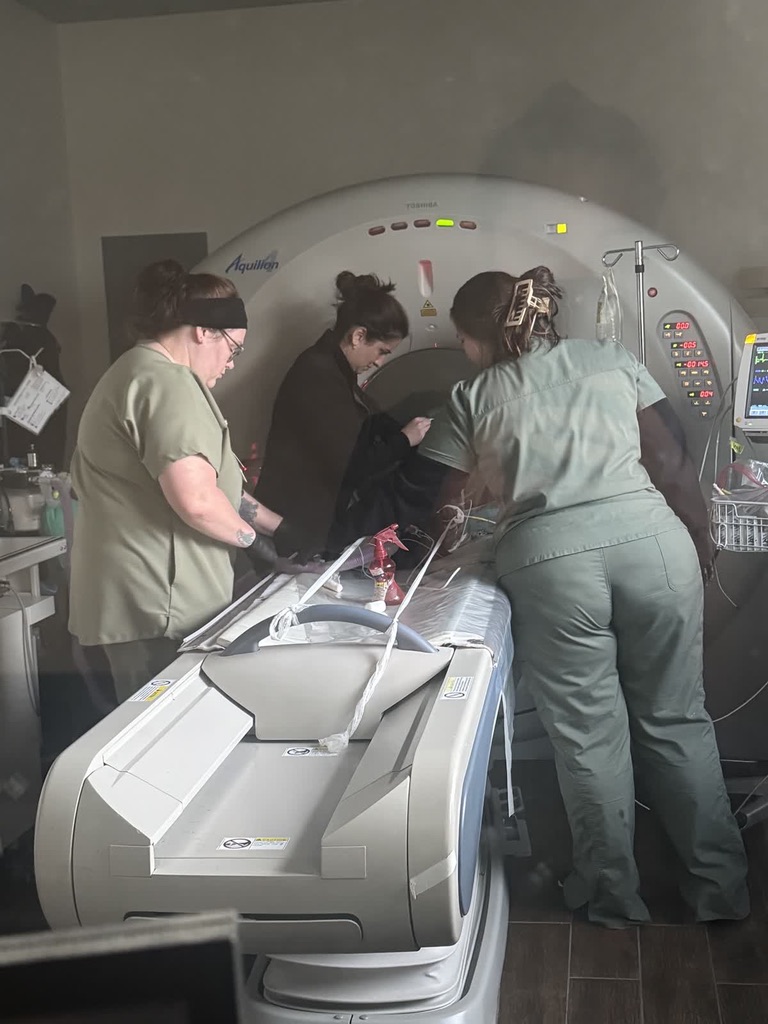

When Might My Pet Need Diagnostic Imaging?
Imaging can be useful in many situations, including:
- Investigating unexplained pain or changes in behavior
- Evaluating injuries and trauma
- Assessing bones, joints, and mobility concerns
- Investigating lumps or masses
- Looking for swallowed foreign objects
- Evaluating digestive or abdominal concerns
- Assessing heart and lung conditions
- Monitoring an existing health condition
- Helping guide treatment and surgical decisions
Sometimes diagnostics are part of solving an urgent problem. Other times, they’re simply a way to better understand a change in your pet’s health before deciding what comes next.
Why Choose Allure for Diagnostics?
We look at the whole picture.
Diagnostic results are most useful when they’re considered alongside your pet’s history, symptoms, physical exam, and overall health.
We explain what we’re looking for.
You shouldn’t need a veterinary degree to understand what’s happening with your pet. We’ll explain why a test is recommended and what we’re hoping to learn from it.
We provide upfront estimates.
You’ll know what to expect before recommended diagnostics are performed.
Diagnostics are part of a bigger care team.
Whether your pet needs wellness care, surgery, urgent care, rehabilitation, acupuncture, or another form of treatment, diagnostic information helps us make better-informed decisions about their care.
When You Need Answers, We’re Here to Help
Waiting and wondering what’s wrong with your pet can be stressful. Our goal is to replace as much uncertainty as possible with information you can understand and a clear plan for what comes next.
Whether your pet needs an X-ray after an injury, imaging to investigate an ongoing concern, or diagnostic testing as part of their routine care, we’re here to help you understand what’s happening and determine the next step.

FAQs
What types of diagnostic imaging does Allure offer?
Allure offers digital X-rays, ultrasound imaging, CT scans, and echocardiography, depending on your pet’s individual needs. We also offer endoscopy for certain cases, which can allow us to examine internal structures, collect tissue samples, and sometimes retrieve foreign objects. Your veterinarian will recommend the appropriate diagnostic tools based on your pet’s symptoms, history, and examination.
How do I know if my pet needs diagnostic imaging?
Your veterinarian may recommend imaging when they need more information about a suspected illness, injury, internal condition, or change in your pet’s health. Imaging can help evaluate concerns such as unexplained pain, injuries, digestive problems, masses, breathing difficulties, and bone or joint conditions.
What is endoscopy used for in pets?
Endoscopy allows veterinarians to examine certain areas inside the body using a small camera, without making a traditional surgical incision. Depending on the situation, it can also be used to collect samples for further testing or retrieve certain swallowed foreign objects. Your veterinarian can determine whether endoscopy is an appropriate option for your pet.
Are pet X-rays and other imaging procedures safe?
Diagnostic imaging is generally very safe when performed with appropriate precautions. Digital X-rays use controlled amounts of radiation, while ultrasound does not use radiation. If sedation or anesthesia is recommended for a particular procedure, our team will explain why it’s needed and monitor your pet throughout the procedure.